Rituals of Protection in Esoteric Traditions
Throughout history, esoteric traditions have developed various rituals of protection to safeguard individuals from negative energies, malevolent forces, and spiritual dangers. These rituals are deeply woven into the fabric of mystical practices, often designed to create sacred spaces, invoke divine forces, and shield practitioners from harm. Protection rituals in esotericism are not just limited to physical safety, but also address emotional, mental, and spiritual well-being. This article explores the importance of protection rituals in esoteric practices, examining their purpose, common rituals, and the underlying principles that guide these sacred acts.
The Importance of Protection Rituals in Esotericism
Safeguarding the Aura and Energy Field
In esoteric traditions, every living being is thought to possess an energy field or aura that surrounds the physical body. This energy field is vulnerable to external influences, including negative emotions, psychic attacks, and harmful energies. Protection rituals are designed to safeguard the aura and maintain the balance and integrity of this energy field. By creating boundaries between the practitioner and external negative forces, protection rituals help ensure that only positive or divine energies can enter, while harmful energies are repelled.
Psychic Protection and Shielding the Mind
Psychic protection is another essential aspect of esoteric rituals. In many traditions, it is believed that the mind is susceptible to external influences, including harmful thoughts, mental manipulation, or energetic attachments. Protection rituals create mental shields to safeguard the mind against such influences, helping individuals maintain clarity, focus, and emotional equilibrium. By strengthening the mind's boundaries, practitioners can avoid becoming overwhelmed by negative thought patterns or emotional turbulence.
Spiritual Defense Against Malevolent Forces
On a deeper spiritual level, protection rituals in esotericism are thought to offer defense against malevolent spirits, dark entities, and even curses or spells cast by others. In these traditions, the spiritual world is often perceived as populated by a range of beings, from benevolent spirits and divine entities to harmful and deceptive ones. Protection rituals invoke higher spiritual powers and divine forces to create an energetic barrier, keeping the practitioner safe from these harmful spiritual forces.
Common Elements in Esoteric Protection Rituals
Sacred Tools and Symbols
Many esoteric protection rituals make use of sacred tools and symbols that are thought to have protective properties. These tools and symbols serve as focal points for spiritual energy and act as instruments to channel protective forces. Some of the most commonly used tools and symbols include:
- Salt: Used in rituals to purify and protect spaces or individuals from negative energies. Salt is believed to absorb negative influences and act as a barrier to harmful forces.
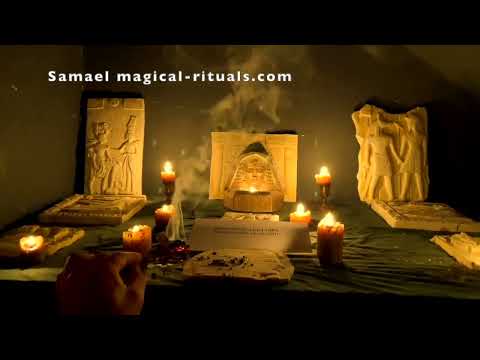
- Candles: In many traditions, candles, particularly white or black ones, are used to symbolize the presence of divine light or to dispel darkness. The act of lighting a candle can represent the invocation of protection and the dispelling of negative energy.
- Crystals: Specific crystals, such as black tourmaline, amethyst, or obsidian, are used for their protective properties. They are believed to absorb, deflect, or neutralize harmful energies.
- Pentagram: In Western esotericism, the pentagram (a five-pointed star) is often used as a symbol of protection. It is considered to represent the balance of the elements and is frequently used in rituals to create a protective shield.
Sacred Words and Incantations
Words and incantations hold powerful vibrational frequencies in esoteric traditions. Many protection rituals rely on spoken words, prayers, or invocations to call upon divine protection. These sacred words are often seen as carrying magical power, capable of invoking protective spirits, deities, or higher forces.
For example, in the practice of kabbalistic magic, the Hebrew words and prayers are believed to possess divine power and are often recited to invoke spiritual protection. Similarly, in other esoteric systems, certain mantras or chants are used to create an energetic shield of protection around the practitioner.
The Use of Visualization
Visualization is a powerful tool in many esoteric protection rituals. The practitioner may visualize a protective sphere of light surrounding themselves or their environment, creating a mental image of safety and security. This visualization serves to strengthen the practitioner’s energy field and ensures that they remain shielded from negative influences.
In some traditions, practitioners may visualize the image of a protective deity, spirit, or guardian angel standing watch over them, providing an additional layer of defense against harm. The focus on mental imagery helps solidify the intention behind the ritual and brings the practitioner’s protective desire into manifestation.
Notable Protection Rituals in Esoteric Traditions
Wiccan and Pagan Protection Rituals
In Wicca and other Pagan traditions, protection rituals are often performed to create safe spaces and ensure spiritual well-being. One common Wiccan ritual involves casting a circle of protection. This ritual begins by mentally or physically marking the boundary of a sacred space, often with salt, herbs, or candles, and then calling upon the elements (earth, air, fire, water, and spirit) to form a protective shield around the practitioner.
A key aspect of Wiccan protection rituals is the use of the pentagram as a symbol of balance and defense. The practitioner may draw the pentagram in the air or on the ground while invoking divine forces, such as the God and Goddess, to ensure protection during the ritual or throughout daily life.
Another common practice is the witch's bottle, a container filled with protective objects like nails, pins, herbs, or black salt. The bottle is buried underground to protect the practitioner from harm or psychic attacks.
Hoodoo and African-American Folk Magic
In Hoodoo, an African-American folk magic tradition, protective rituals are often centered around the use of spiritual baths, charms, and amulets. A common protective ritual in Hoodoo involves the use of road opener and protection oils, which are anointed on the body, doorways, or windows to keep harmful influences away.
Additionally, practitioners may craft protective talismans or mojo bags, which are small pouches filled with herbs, crystals, and sacred objects that provide ongoing protection. These bags are carried by the practitioner or placed in significant areas of the home.
Hoodoo also employs the use of black salt and cowrie shells to protect the individual from evil spirits or harmful influences. Spiritual baths made from herbs like rue, basil, and lavender are often used to cleanse the body and aura, followed by the recitation of prayers or incantations for spiritual protection.
Shamanic Protection Rituals
In shamanic traditions, protection rituals are deeply embedded in the practices of energy healing and spirit communication. Shamans, or spiritual healers, often perform rituals to create protective boundaries between themselves and the spirits they encounter. This might involve the use of sacred plants like sage or cedar for smudging, a ritual meant to cleanse the space and ward off negative energies.
A common shamanic protection practice involves calling upon spirit guides, ancestors, or protective animal spirits to offer guidance and shield the practitioner. The shaman may enter a meditative state to communicate with these spirits and invoke their protection, allowing them to act as guardians during the journey or ritual.
Shamanic rituals also incorporate the use of drumming, dancing, and visualization to create powerful energetic shields. The rhythmic drumming is said to alter the consciousness of the practitioner, helping to establish a strong connection to protective forces and maintain a sense of energetic equilibrium.
Kabbalistic Protection Practices
In Kabbalah, protection rituals often focus on the power of sacred words and symbols derived from the Hebrew alphabet. One common protective practice is the recitation of the Psalms or the Shema prayer, which are believed to call upon divine protection from the forces of evil. Another widely used protection tool in Kabbalistic tradition is the Hamsa, a hand-shaped symbol believed to ward off the evil eye and protect the wearer from spiritual harm.
The Tree of Life, a central symbol in Kabbalistic teachings, is also used in protection rituals. The practitioner may visualize the energies of the Tree of Life to align their aura with higher, divine frequencies, thus creating an energetic shield. In this tradition, the practitioner works closely with angels and divine entities to ensure safety and spiritual well-being.
The Principles Behind Protection Rituals
Intention and Willpower
At the core of every protection ritual is the principle of intention. Esoteric traditions emphasize that the power of the ritual lies in the practitioner's focused intention and willpower. By setting a clear and strong intention to protect oneself or others, the practitioner harnesses the energy of the universe and directs it toward their goal. The more focused and sincere the intention, the more potent the ritual’s protective effects.
Energy Alignment
Protection rituals are often designed to align the practitioner’s energy field with higher, purer frequencies. These rituals help create energetic boundaries that prevent lower, negative energies from affecting the individual. In this sense, protection rituals are not just about warding off external threats, but also about attuning oneself to the protective energies of the universe.
Spiritual Cleansing
Many protection rituals begin with a process of cleansing. The practitioner may cleanse their body, mind, and energy field to remove any blockages or negative influences that could weaken the efficacy of the protection. This can involve a spiritual bath, the burning of cleansing herbs, or a period of meditation to release negativity.
Conclusion
Rituals of protection play a fundamental role in esoteric practices, serving as spiritual safeguards against harmful forces and negative energies. Through the use of sacred symbols, invocations, tools, and focused intention, practitioners can create energetic shields that protect their bodies, minds, and souls. These rituals transcend the physical realm, offering both practical and metaphysical defense mechanisms that help individuals maintain spiritual balance and well-being. From Wicca to Kabbalah, Hoodoo to Shamanism, the principles of protection remain central in the quest for spiritual growth, healing, and self-empowerment.
Bibliography
- Faivre, Antoine. Western Esotericism: A Concise History. University of California Press, 2010.
- Guiley, Rosemary Ellen. The Encyclopedia of Magic and Alchemy. Facts On File, 2006.
- Harris, Michael. Shamanism: A Beginner's Guide to Belief Systems and Practices. Random House, 2015.
- Wynne, Jenny. The Wicca Bible: A Modern Guide to Witchcraft and Wiccan Rituals. Godsfield Press, 2007.
- Burdick, Lesley. Hoodoo Protection Magic: Conjuring and Creating Powerful Protective Spells. Llewellyn Publications, 2014.