Friday, June 28, 2024

The Mental Health Benefits of Meditation: Reducing Stress and Anxiety


Meditation has been practiced for thousands of years, primarily in Eastern cultures, for its spiritual and mental health benefits. In recent decades, it has gained widespread recognition in the Western world, particularly for its positive impact on mental health. As an accessible and non-invasive practice, meditation is increasingly recognized as a powerful tool for reducing stress, anxiety, and other mental health challenges. This article will explore how meditation can help improve mental health, particularly by reducing stress and anxiety, and will delve into the scientific research supporting its efficacy.


The Connection Between Meditation and Mental Health

Understanding Meditation's Role in Mental Health

Meditation involves focusing the mind, often through breathing techniques, guided visualization, or mindfulness, to achieve a state of mental clarity, relaxation, and self-awareness. While there are many types of meditation—such as mindfulness meditation, loving-kindness meditation, and transcendental meditation—the core objective of most meditation practices is to quiet the mind, regulate emotions, and cultivate awareness.

As stress and anxiety have become increasingly prevalent in modern society, the need for effective, natural mental health tools has risen. Meditation stands out as a widely accessible method to manage these challenges. Research has shown that regular meditation can help reduce symptoms of anxiety, depression, and stress by promoting relaxation, enhancing emotional regulation, and improving cognitive function.


How Meditation Reduces Stress

1. Activation of the Relaxation Response

One of the key ways meditation helps reduce stress is by activating the relaxation response, which is the opposite of the stress-induced fight-or-flight reaction. When you meditate, the body enters a state of deep relaxation, characterized by a slowing of the heart rate, reduced blood pressure, and decreased muscle tension. This physiological shift helps to counterbalance the effects of stress, leading to a calmer and more balanced state.

Research has shown that meditation reduces the production of cortisol, the primary stress hormone. By regularly engaging in meditation, individuals can reduce the impact of daily stressors on their bodies and minds.

2. Increased Mindfulness and Present-Moment Awareness

Meditation encourages mindfulness, which is the practice of staying present and fully engaged in the moment, without judgment. This focus on the present moment is crucial in reducing stress, as it helps break the cycle of rumination—repeatedly worrying about past events or fearing future ones.

Mindfulness meditation trains the brain to respond more calmly to stressful situations by cultivating a greater awareness of thoughts, emotions, and bodily sensations. When individuals are more mindful, they are less likely to react impulsively to stressors, thus reducing the overall experience of stress.

3. Reduction in Overactive Brain Activity

Many individuals with high stress levels experience excessive or persistent negative thinking. This can be due to an overactive default mode network (DMN) in the brain, which is associated with rumination and worry. Studies show that meditation can help reduce activity in the DMN, allowing the mind to break free from the cycle of repetitive thoughts that contribute to stress. Regular meditation practice leads to a calmer, more focused mind, which helps individuals manage stress more effectively.


The Impact of Meditation on Anxiety

1. Improved Emotional Regulation

Meditation helps individuals improve emotional regulation by enhancing self-awareness and teaching the ability to observe emotions without becoming overwhelmed by them. In mindfulness meditation, practitioners are taught to acknowledge their thoughts and feelings without judgment, allowing them to recognize and release anxious thoughts before they spiral out of control.

Research has demonstrated that mindfulness meditation, in particular, can significantly reduce symptoms of generalized anxiety disorder (GAD) and other anxiety-related conditions. It encourages individuals to become more aware of their mental states and learn to respond with equanimity rather than reacting impulsively or catastrophizing.

2. Decreased Physiological Symptoms of Anxiety

Anxiety often manifests not only as mental distress but also as physical symptoms, such as increased heart rate, muscle tension, and shortness of breath. Meditation can help reduce these physiological manifestations of anxiety by encouraging relaxation and helping the body return to a state of calm. Studies show that after practicing meditation, individuals experience a reduction in heart rate and respiratory rate, which are often elevated during anxiety.

For instance, breathing exercises such as deep breathing or diaphragmatic breathing, often used in meditation, help activate the parasympathetic nervous system, which calms the body and counters the physiological effects of anxiety.

3. Cultivation of Compassion and Self-Acceptance

Loving-kindness meditation (also known as Metta meditation) has been shown to reduce anxiety and increase overall well-being by promoting feelings of compassion and self-acceptance. In this practice, individuals focus on sending loving and compassionate thoughts to themselves and others. By cultivating a sense of love and acceptance, individuals can diminish the feelings of isolation, insecurity, and fear that often fuel anxiety.

Research suggests that loving-kindness meditation may not only improve mental well-being but also enhance social connections, which can buffer against the effects of anxiety. This practice helps individuals develop a sense of inner peace, which acts as a protective factor against anxiety.


Scientific Evidence Supporting Meditation's Mental Health Benefits

Research on Stress Reduction

Numerous studies have documented the benefits of meditation for stress reduction. One key study published in the journal Psychosomatic Medicine found that individuals who practiced mindfulness meditation for eight weeks experienced a significant reduction in stress levels and showed lower levels of cortisol compared to a control group.

Other research, such as a meta-analysis published in the journal JAMA Internal Medicine, concluded that mindfulness meditation programs are effective at reducing psychological stress, with participants reporting improvements in mood, stress levels, and anxiety.

Meditation and Anxiety Relief

Meditation has also been shown to have a profound impact on reducing anxiety. A study published in the Journal of Clinical Psychology revealed that mindfulness-based interventions (MBIs), including meditation, significantly reduced symptoms of anxiety and depression in individuals with generalized anxiety disorder. Participants who engaged in regular meditation practices had lower levels of anxiety, greater emotional regulation, and improved well-being.

Additionally, a review published in the journal Behavior Research and Therapy found that mindfulness-based stress reduction (MBSR) programs, which incorporate meditation, led to a significant reduction in anxiety symptoms for individuals with various anxiety disorders, including panic disorder and social anxiety.


Types of Meditation for Stress and Anxiety Relief

1. Mindfulness Meditation

Mindfulness meditation, which emphasizes awareness of the present moment, is one of the most widely studied and effective types of meditation for managing stress and anxiety. It involves paying attention to one's thoughts, emotions, and bodily sensations without judgment, helping individuals become more aware of their inner experiences and break the cycle of worry and rumination.

2. Loving-Kindness Meditation (Metta)

Loving-kindness meditation focuses on cultivating feelings of compassion and goodwill toward oneself and others. This practice is particularly beneficial for reducing anxiety, as it encourages self-acceptance and emotional resilience. By focusing on positive emotions, individuals can shift their mindset and reduce anxiety-provoking thoughts.

3. Guided Meditation

For beginners or those who find it difficult to meditate on their own, guided meditation can be an excellent option. In guided meditation, an instructor or recording leads the practitioner through a meditation session, offering instructions on focusing the mind, calming the body, and releasing tension. Guided meditation is often used to reduce stress and anxiety, as it provides a structured approach to relaxation.

4. Transcendental Meditation

Transcendental Meditation (TM) is a form of mantra-based meditation that involves silently repeating a specific sound (mantra) to help quiet the mind. TM has been shown to reduce stress, anxiety, and symptoms of depression, while also promoting a deep sense of relaxation and well-being.


How to Incorporate Meditation Into Your Daily Routine

1. Start Small

If you're new to meditation, start with short sessions of 5 to 10 minutes per day. Gradually increase the duration as you become more comfortable with the practice. Consistency is key, so aim for daily practice to experience the full benefits of meditation.

2. Use Guided Meditations

If you find it difficult to meditate on your own, guided meditations can be a great way to stay on track. Many apps, such as Headspace, Calm, and Insight Timer, offer guided sessions that are designed to reduce stress and anxiety.

3. Practice Mindfulness Throughout the Day

In addition to formal meditation sessions, incorporate mindfulness into your daily activities. Whether it's focusing on your breath, paying attention to sensations in your body, or observing your thoughts without judgment, mindfulness can be practiced anywhere and anytime, helping you manage stress and anxiety throughout the day.


Conclusion

Meditation is a highly effective tool for reducing stress and anxiety, offering both immediate relief and long-term mental health benefits. Through practices like mindfulness meditation, loving-kindness meditation, and deep breathing, individuals can reduce the physiological and psychological effects of stress and develop greater emotional resilience. With growing scientific support for its efficacy, meditation is an accessible, cost-free, and non-invasive method that can be incorporated into daily life to improve overall well-being. Whether you're seeking relief from chronic anxiety or simply want to cultivate a calmer, more focused mind, meditation can play a transformative role in your mental health.


Bibliography

  1. Kabat-Zinn, Jon. Full Catastrophe Living: Using the Wisdom of Your Body and Mind to Face Stress, Pain, and Illness. Delta, 1990.
  2. Goyal, Madhav, et al. "Meditation Programs for Psychological Stress and Well-Being: A Systematic Review and Meta-Analysis." JAMA Internal Medicine, vol. 174, no. 3, 2014, pp. 357-368.
  3. Hofmann, Stefan G., et al. "The Efficacy of Mindfulness-Based Stress Reduction: A Meta-Analysis." Journal of Consulting and Clinical Psychology, vol. 78, no. 2, 2010, pp. 169-183.
  4. Hölzel, Britta K., et al. "Mindfulness Meditation Improves Emotion Regulation and Reduces Stress." Journal of Psychosomatic Research, vol. 68, no. 4, 2010, pp. 365-372.
  5. Creswell, J. David, et al. "Mindfulness Meditation and Reductions in Anxiety and Depression: A Meta-Analysis." Journal of Clinical Psychology, vol. 69, no. 8, 2013, pp. 759-776.
  6. Norman, Andrew D., et al. "Loving-Kindness Meditation for Generalized Anxiety Disorder: A Pilot Study." Journal of Clinical Psychology, vol. 71, no. 1, 2015, pp. 1-7.

Wednesday, June 19, 2024

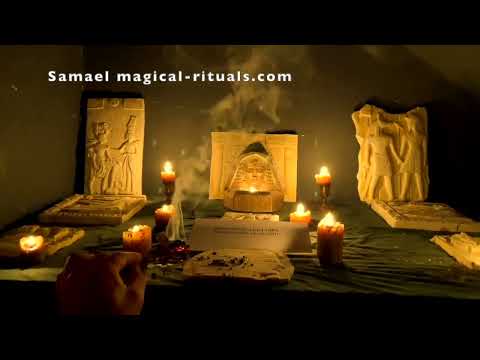
Ancient egyptian love spells: Tools and ingredients you need to know


Ancient Egyptian Love Spells: Tools and Ingredients You Need to Know

Ancient Egyptians believed that love was a divine and mystical force that could be influenced through magic. Love spells were a popular way to attract a partner, secure loyalty, or deepen emotional connections. These spells were carefully crafted using specific tools, ingredients, and rituals aligned with their cosmological beliefs and the principles of heka (magic). This article delves into the tools and ingredients necessary for performing ancient Egyptian love spells, providing insight into their cultural significance and practical applications.

You can find more information at https://magical-rituals.com/blog/2024/10/21/ancient-egyptian-love-spells-rituals-and-practices/ 

I recommend watching the video 


Introduction to Egyptian Love Spells

Love spells in ancient Egypt were not simply about manipulation or coercion. Instead, they reflected a blend of spirituality, emotion, and intention. The tools and ingredients used in these spells were selected for their symbolic meanings, associations with deities, and perceived energetic properties.


Key Tools for Ancient Egyptian Love Spells

1. Amulets: Magical Charms for Love

Amulets played a vital role in love spells, serving as conduits of divine energy and protection.

Common Love Amulets

  • Ankh: The symbol of life and eternal love, often used to foster lasting emotional bonds.
  • Djed Pillar: Representing stability, it was used to maintain harmonious relationships.
  • Heart Scarab: Believed to influence emotions, ensuring fidelity and affection.
  • Lotus Flower: Associated with renewal and beauty, this symbol was used to attract love.

How Amulets Were Used

  • Worn as jewelry or carried close to the body for continuous influence.
  • Placed under a bed or in personal spaces to enhance romantic energy.

2. Ritual Bowls and Figurines

Ritual bowls and figurines were central to love magic, acting as vessels for spells or representations of intentions.

Inscribed Bowls

  • Bowls inscribed with love incantations were filled with wine, water, or other symbolic liquids during rituals.
  • These bowls were often smashed at the end of the ritual to release the spell's energy.

Clay Figurines

  • Figurines represented either the spell’s target or deities invoked for assistance.
  • They were manipulated or placed in specific positions to symbolize the desired outcome.

3. Magical Wands and Scepters

Magical wands, often made of ivory or wood, were used to channel energy and direct intention during rituals.

Features of Ritual Wands

  • Decorated with protective symbols or depictions of Hathor, the goddess of love.
  • Used to draw sacred circles or activate the magical ingredients in a spell.

4. Writing Tools for Spells

The act of writing was imbued with magical power in ancient Egypt. Scribes and practitioners used specific tools to inscribe love spells.

Papyri and Inscriptions

  • Love spells were written on papyrus, ostraca (pottery shards), or even linen.
  • Hieroglyphs symbolized the desired outcome, often accompanied by names of the practitioner and the target.

Ink and Reed Pens

  • Ink made from soot or ochre was used to write spells.
  • The process of inscribing the spell was often a ritual in itself, requiring focus and intention.

Essential Ingredients for Love Spells

1. Herbs and Plants

Plants were a cornerstone of Egyptian magic, valued for their symbolic and energetic properties.

Common Herbs and Their Uses

  • Lotus: Symbolized rebirth and attraction, often used in perfumes or offerings.
  • Basil: Associated with fidelity and harmony, included in rituals for marital bliss.
  • Mandrake: Considered an aphrodisiac and used in love potions.
  • Frankincense and Myrrh: Burned as incense to invoke divine blessings and create a sacred atmosphere.

Preparation Methods

  • Ground into powders for potions.
  • Infused in oils or burned during rituals.
  • Worn in sachets as talismans.

2. Perfumes and Oils

Scent played a significant role in love magic, enhancing allure and invoking the favor of love deities.

Popular Fragrances

  • Kyphi: A sacred incense blend used to cleanse energy and attract affection.
  • Rose and Jasmine Oils: Associated with beauty and sensuality.
  • Cedarwood: Used to invoke stability and lasting connections.

Applications

  • Anointing the body or ritual tools.
  • Offering to deities during ceremonies.
  • Infusing spells with the properties of the chosen fragrance.

3. Crystals and Minerals

Crystals and minerals were believed to carry potent energies that could influence emotions and relationships.

Key Stones in Love Spells

  • Rose Quartz: Symbolized unconditional love and emotional healing.
  • Carnelian: Associated with passion and desire.
  • Lapis Lazuli: Represented harmony and divine connection.

How Crystals Were Used

  • Carved into amulets or worn as jewelry.
  • Placed in ritual spaces to amplify energy.
  • Charged with intentions through prayer or incantation.

4. Animal Symbols and Offerings

Animals and their representations were frequently included in love spells for their symbolic meanings.

Sacred Animals

  • Cats: Linked to Bastet, goddess of protection and love.
  • Doves: Symbolized romance and partnership.
  • Frogs: Represented fertility and transformation.

Offerings

  • Milk, honey, and bread shaped like sacred animals were left on altars to invoke blessings.

5. Food and Drink

Food and drink were often imbued with magical properties to influence love and desire.

Symbolic Ingredients

  • Honey: Represented sweetness and affection.
  • Wine: Used to invoke passion and celebration.
  • Pomegranates: Associated with fertility and abundance.

Love Potions

  • These ingredients were combined to create potions meant to be consumed by the practitioner or shared with a partner.

Ritual Practices and Preparation

1. Cleansing and Purification

Before casting a love spell, practitioners engaged in cleansing rituals to remove negative energy.

Methods

  • Bathing with sacred oils or herbs.
  • Burning incense to purify the ritual space.
  • Reciting prayers to deities like Isis or Hathor.

2. Invocation of Deities

Egyptian love magic often called upon the gods and goddesses for assistance.

Key Deities

  • Hathor: Goddess of love, beauty, and joy.
  • Isis: Known for her devotion and magical prowess.
  • Bes: Protector of the home and promoter of fertility.

Offerings

  • Flowers, incense, and food were presented to gain divine favor.

3. Timing and Alignment

The timing of a spell was critical, with practitioners aligning rituals to natural and cosmic cycles.

Astrological Influences

  • Venus’s position was considered auspicious for love spells.
  • Rituals were often conducted under the waxing moon to symbolize growth and attraction.

Conclusion

Ancient Egyptian love spells were deeply rooted in the spiritual and cultural practices of the time. By carefully selecting tools and ingredients imbued with symbolic and energetic significance, practitioners sought to enhance their romantic lives while honoring the divine. These practices, rich in tradition and meaning, continue to inspire modern interpretations of love magic.


Bibliography

  1. Pinch, Geraldine. Magic in Ancient Egypt. British Museum Press, 1994.
  2. Wilkinson, Richard H. The Complete Gods and Goddesses of Ancient Egypt. Thames & Hudson, 2003.
  3. Ritner, Robert. The Mechanics of Ancient Egyptian Magical Practice. University of Chicago Press, 1993.
  4. Strudwick, Helen, and Nigel Strudwick. The Encyclopedia of Ancient Egypt. Amber Books, 2006.
  5. Hart, George. Egyptian Myths. University of Texas Press, 1990.
  6. Andrews, Carol. Amulets of Ancient Egypt. British Museum Press, 1994.
  7. Lesko, Leonard H. The Ancient Egyptian Book of Two Ways. Yale Egyptological Studies, 1977.

Friday, June 14, 2024

The Role of Symbols and Archetypes in Esoteric Practice


The Role of Symbols and Archetypes in Esoteric Practice

Esotericism, with its deep roots in mysticism and hidden knowledge, is rich with symbols and archetypes that serve as key tools in understanding the nature of reality, the self, and the divine. These symbols and archetypes are not merely decorative or abstract; they serve as gateways to higher knowledge, helping practitioners unlock deeper spiritual truths. This article explores the role of symbols and archetypes in esoteric practice, how they function, and why they are so integral to mystical traditions.


What Are Symbols and Archetypes?

Defining Symbols in Esotericism

In esoteric thought, symbols are not mere representations of physical objects or ideas; they are considered to be keys to hidden, often spiritual, truths. A symbol holds a deeper meaning that transcends its physical appearance or its immediate interpretation. It can represent divine principles, cosmic forces, or stages of spiritual evolution. Symbols are meant to be decoded and internalized, often revealing layers of meaning that lead to a more profound understanding of the universe and the self.

For example, the pentagram is a symbol that has been used in esoteric traditions for centuries. On the surface, it is simply a five-pointed star, but it also represents the balance of the elements (earth, air, fire, water, and spirit) and the harmonious relationship between the material and spiritual worlds.

Understanding Archetypes

Archetypes, a concept popularized by Carl Jung, refer to universal symbols or motifs that exist within the collective unconscious. These archetypes transcend individual experience and are found across cultures, time periods, and religions. In esotericism, archetypes often represent fundamental aspects of human experience and spiritual growth.

Jung suggested that archetypes serve as psychic patterns or templates that help individuals navigate their inner and outer worlds. In esoteric practices, these archetypes are not merely theoretical; they become deeply embedded in ritual, myth, and symbolism, aiding practitioners in their spiritual journeys.


The Function of Symbols in Esoteric Traditions

Symbols as a Bridge Between the Material and Spiritual Worlds

One of the core functions of symbols in esoteric practice is to act as a bridge between the physical and spiritual realms. Esoteric traditions often teach that the material world is a reflection of higher, more abstract spiritual truths. Symbols, in this context, are seen as representations of divine principles or cosmic laws that operate beyond the visible world.

For instance, the Ankh, an ancient Egyptian symbol resembling a cross with a loop at the top, represents life, immortality, and divine protection. It is often associated with the gods and is used in rituals to connect the practitioner to higher spiritual forces. The Ankh, while a physical object, represents the continuous cycle of life and death, symbolizing the eternal soul's journey beyond the material realm.

In this way, symbols provide a conduit for esoteric practitioners to attune themselves to the underlying energies of the universe, moving beyond surface-level perceptions to engage with deeper spiritual realities.

Symbols as Tools for Personal Transformation

Symbols in esoteric traditions are often used as tools for personal and spiritual transformation. By meditating on or engaging with specific symbols, practitioners can invoke certain energies, qualities, or experiences that lead to self-discovery and enlightenment. For example, the Tree of Life in Kabbalah represents the process of spiritual evolution and the path to divine understanding. Through meditation on its structure and the Hebrew letters associated with each of its paths, practitioners can navigate their own spiritual growth.

Moreover, symbols can also be used to help individuals overcome personal challenges, such as fear, doubt, or emotional blockages. In this sense, symbols act as spiritual tools that facilitate healing and self-realization, assisting practitioners in overcoming obstacles and advancing on their spiritual paths.

The Role of Rituals and Symbols in Mystical Initiation

Many esoteric systems incorporate rituals that use symbols to initiate individuals into higher levels of knowledge and spiritual practice. In these traditions, symbols are not just seen as abstract representations but as actual forces that can shape the practitioner’s journey. Initiation rituals, which often involve symbolic acts such as the use of sacred objects or gestures, are believed to unlock hidden aspects of the self and the universe.

For instance, in Freemasonry, the initiation process involves a series of symbolic rituals that use tools like the square, compass, and all-seeing eye to convey deeper spiritual truths. These symbols represent the Masonic values of morality, wisdom, and divine insight, helping initiates awaken to higher levels of consciousness and self-awareness.


The Role of Archetypes in Esoteric Practices

Archetypes as Mirrors of the Inner Self

Archetypes play a central role in esoteric systems by serving as mirrors of the inner self. They represent universal psychological patterns that reflect different aspects of the human experience, such as the hero, the wise old man, the shadow, and the anima/animus. By engaging with these archetypes in meditation or ritual, practitioners can explore the unconscious layers of their psyche and achieve greater self-awareness.

For example, the archetype of the hero represents the journey of transformation and self-discovery. In esoteric traditions, this archetype is often explored through myths and allegories, such as the story of the Hero’s Journey, which symbolizes the soul’s quest for enlightenment. By identifying with this archetype, a practitioner may gain insights into their own potential for growth, courage, and transformation.

Archetypes as Guides in Spiritual Development

In many esoteric practices, archetypes are seen as guides for spiritual development. Just as a map helps a traveler navigate an unknown territory, archetypes help individuals navigate the complex inner landscape of the soul. By embodying or working with different archetypes, practitioners can activate specific qualities or energies within themselves that aid in their spiritual journey.

For example, the archetype of the wise old man often represents wisdom, intuition, and connection to the divine. In some esoteric practices, invoking this archetype through meditation or ritual is believed to help the practitioner access deeper knowledge and insight. Similarly, the archetype of the anima (the feminine aspect of the psyche in men) or the animus (the masculine aspect of the psyche in women) can be explored to achieve balance between the inner masculine and feminine energies, leading to personal integration and wholeness.

The Integration of Archetypes and Personal Growth

In esoteric practices, the goal is often to achieve a state of balance and integration within the self. By recognizing and integrating various archetypes, individuals can better understand their own inner conflicts, desires, and strengths. This process of integration is often referred to as individuation, a term popularized by Carl Jung, which involves the harmonization of the conscious and unconscious aspects of the self.

Archetypes serve as both mirrors and guides in this process. For example, working with the shadow archetype—the part of the unconscious mind that contains repressed or denied aspects of the self—can help individuals confront and integrate their darker traits, leading to greater self-acceptance and emotional maturity. By embracing these archetypes, individuals move closer to a holistic and awakened state of being.


Esoteric Symbolism in Different Traditions

Kabbalah and the Tree of Life

In the Kabbalistic tradition, the Tree of Life is a central symbol that represents the structure of the universe and the stages of spiritual ascent. It consists of ten interconnected spheres (called sephiroth) that represent different aspects of divine energy. Each sphere corresponds to a specific archetype or principle, such as wisdom, understanding, mercy, and strength. Kabbalists work with these symbols to align themselves with divine attributes and gain spiritual insight.

Alchemy and the Philosopher’s Stone

In alchemical traditions, the symbol of the Philosopher’s Stone represents the ultimate goal of transformation—turning base materials into gold and achieving spiritual enlightenment. The process of alchemy is often described through symbols, such as the ouroboros (a snake eating its own tail), which represents the eternal cycle of death and rebirth. These symbols are used in esoteric alchemical rituals to aid in the transmutation of both physical substances and the alchemical “soul.”

The Tarot and the Archetypes of the Major Arcana

The Tarot is another esoteric system that utilizes symbols and archetypes to explore the mysteries of the self and the universe. The Major Arcana consists of 22 cards, each representing a different archetype or stage of spiritual development. The Fool, for example, represents the beginning of the journey into self-discovery, while The Magician embodies the ability to manifest one's will in the world. Through contemplation and divination, practitioners can work with these archetypes to gain insight into their own life path and spiritual growth.


Conclusion

Symbols and archetypes play a crucial role in esoteric practices, serving as tools for spiritual transformation, self-discovery, and enlightenment. They provide practitioners with the means to engage with higher realms of knowledge, tap into universal psychological patterns, and unlock the mysteries of the universe. Whether through sacred geometry, Tarot cards, alchemical symbols, or archetypal myths, these tools help individuals navigate the journey of self-realization and spiritual growth. By embracing and integrating the wisdom of symbols and archetypes, esoteric practitioners can deepen their understanding of the divine and their own place within the cosmos.


Bibliography

  1. Jung, Carl G. Man and His Symbols. Aldus Books, 1964.
  2. Faivre, Antoine. Access to Western Esotericism. State University of New York Press, 1994.

What are the types of love magic?

  Types of Love Magic: A Comprehensive Exploration Love magic has been a captivating topic in myths, legends, and cultural practices through...