Meditation as a Spiritual Practice: Connecting with the Self
Meditation has been practiced for thousands of years, serving as a central component of spiritual and philosophical traditions around the world. From the ancient practices of Buddhism and Hinduism to contemporary mindfulness techniques, meditation has been revered not only for its mental health benefits but also for its ability to facilitate a deep connection with the self, the universe, and the divine. This article will explore how meditation serves as a powerful spiritual practice, helping individuals achieve inner peace, self-awareness, and a greater sense of connection to their spiritual path.
The Spiritual Essence of Meditation
What Is Meditation?
Meditation can be defined as a practice where an individual uses a technique—such as mindfulness, concentration, or contemplation—to focus their mind and cultivate a heightened state of awareness or consciousness. While meditation is often associated with mental relaxation and stress reduction, its spiritual dimensions are far-reaching, aiming to foster a connection with the higher self, the divine, and the present moment.
At its core, meditation is about transcending the ordinary and tuning into a deeper, more authentic level of being. It is an act of turning inward, seeking clarity, and ultimately finding alignment with one's true nature. Through consistent practice, individuals can cultivate a sense of spiritual awakening that enhances their understanding of themselves and their place in the universe.
Spiritual vs. Secular Meditation
While meditation has been widely embraced in secular contexts for its mental health benefits, it originally emerged within spiritual traditions as a tool for enlightenment, self-realization, and communion with the divine. In spiritual contexts, meditation is not just a method for relaxation but a sacred practice that deepens one's connection with the self, the soul, and the greater cosmos. Spiritual meditation often involves prayer, mantra chanting, or visualization techniques designed to evoke divine presence, inner peace, or spiritual insight.
How Meditation Facilitates a Connection with the Self
1. Deepening Self-Awareness
One of the primary goals of meditation is to cultivate self-awareness, a key aspect of personal and spiritual growth. In the quiet space created by meditation, individuals can observe their thoughts, emotions, and mental patterns with clarity and non-judgment. This enhanced awareness enables individuals to understand themselves at a deeper level, providing insights into their desires, fears, motivations, and life purpose.
By observing the thoughts that arise without attachment, practitioners begin to discern the nature of their minds and realize that they are not defined by their thoughts or external circumstances. Meditation helps individuals detach from the ego and connect with a more authentic sense of self. This process of self-discovery is a foundational element of many spiritual traditions, including Buddhism, where mindfulness meditation is used as a tool for gaining insight into the nature of reality and the self.
2. Cultivating Inner Peace and Stillness
Meditation promotes inner peace by quieting the constant chatter of the mind. In a world filled with distractions, the practice of sitting in silence and focusing the mind offers a respite from the noise of everyday life. As individuals become more adept at meditation, they experience periods of stillness, where the mind rests in a peaceful state of awareness. This stillness is seen as a form of spiritual nourishment, allowing individuals to reconnect with their inner essence.
For many spiritual seekers, meditation is a pathway to a state of oneness with the universe. This is often referred to as the experience of "non-duality," where the practitioner recognizes that their essence is inseparable from the divine or the cosmos. In this state, the boundaries between self and other dissolve, and individuals experience a profound sense of unity with all of existence.
3. Unlocking Intuition and Inner Wisdom
Through meditation, individuals can also cultivate a heightened sense of intuition and access the inner wisdom that resides within. When the mind is quiet and the heart is open, deeper insights and guidance often arise from within. Many spiritual traditions emphasize the importance of inner wisdom as a means of navigating life's challenges and following one's spiritual path.
In Hinduism, for example, the practice of Dhyana (meditative contemplation) is used to connect with one's higher self, known as the Atman, and to access divine knowledge. Similarly, in Taoism, meditation is used to align with the flow of the Tao, the underlying principle of the universe. By cultivating stillness and inner peace, individuals are able to hear the quiet voice of their inner wisdom, guiding them on their spiritual journey.
Meditation and Spiritual Traditions
1. Meditation in Hinduism
In Hinduism, meditation is a core practice for spiritual awakening and self-realization. The ancient texts of the Vedas and Upanishads describe various meditative techniques used to attain moksha (liberation) from the cycle of birth and death (samsara). One of the most well-known forms of meditation in Hinduism is yoga, which combines physical postures (asanas), breath control (pranayama), and meditation to unite the body, mind, and spirit.
In the path of Jnana Yoga (the yoga of knowledge), meditation is used to gain self-knowledge and realize the ultimate truth that the individual soul (Atman) is one with the supreme consciousness (Brahman). Through deep meditation, the practitioner transcends the ego and realizes their divine nature.
2. Meditation in Buddhism
Buddhism places a strong emphasis on meditation as a means of achieving nirvana, or liberation from suffering. Vipassana (insight meditation) and zazen (seated meditation) are two of the most widely practiced forms of meditation in Buddhist traditions. In both practices, the goal is to cultivate mindfulness (sati) and insight (vipassana) into the nature of existence, particularly the impermanent and interconnected nature of all things.
The Buddhist meditation practice of metta bhavana (loving-kindness meditation) is another important tool for cultivating compassion and connection with others. Through meditation, practitioners work to develop a heart full of love, compassion, and goodwill toward themselves and all sentient beings, fostering a sense of spiritual unity and interconnectedness.
3. Meditation in Taoism
Taoism, a spiritual tradition originating in ancient China, emphasizes meditation as a way of aligning with the natural flow of the universe, known as the Tao. Taoist meditation seeks to quiet the mind, balance the energy (qi), and harmonize the body and spirit with the Tao. One common Taoist practice is zuo wang, which involves sitting quietly and allowing the mind to release all attachments and desires, allowing the practitioner to return to a state of pure consciousness and union with the Tao.
Taoist meditation practices often include breathing exercises, visualization techniques, and movement (such as Tai Chi) to cultivate spiritual and physical health. The goal is to live in harmony with the Tao, finding peace, balance, and vitality in every aspect of life.
The Transformative Power of Meditation
1. Healing the Body, Mind, and Spirit
Meditation has the capacity to heal on all levels—physical, emotional, and spiritual. It has been shown to lower blood pressure, reduce anxiety, and improve immune function, making it a powerful tool for physical healing. Spiritually, meditation facilitates personal growth and transformation, helping individuals release negative thought patterns, let go of attachments, and reconnect with their higher purpose.
In spiritual practices, meditation is seen as a process of inner alchemy, where the practitioner transforms their base, ego-driven nature into a higher, more enlightened state of being. Through regular meditation, individuals experience personal transformation, increased compassion, and a deeper understanding of their spiritual path.
2. Connecting with the Divine
For many spiritual practitioners, meditation serves as a means of connecting with the divine. Whether through prayer, mantra chanting, or visualization, meditation allows individuals to tune into a higher spiritual presence. In Christianity, for example, contemplative prayer is a form of meditation that helps individuals experience closeness to God. In mystical traditions such as Kabbalah, meditation is used to understand the divine mysteries and deepen one's relationship with the Creator.
The experience of divine presence in meditation can be profound, offering a sense of peace, clarity, and guidance. Many individuals report feeling a deep sense of connection to a higher power or universal consciousness during meditation, which serves to strengthen their faith and spiritual practice.
How to Incorporate Meditation into Your Spiritual Practice
1. Set an Intention
Before beginning a meditation session, set a clear intention for the practice. This could be a desire to connect with your higher self, receive guidance, or cultivate inner peace. Having a clear intention helps focus the mind and aligns the meditation practice with your spiritual goals.
2. Create a Sacred Space
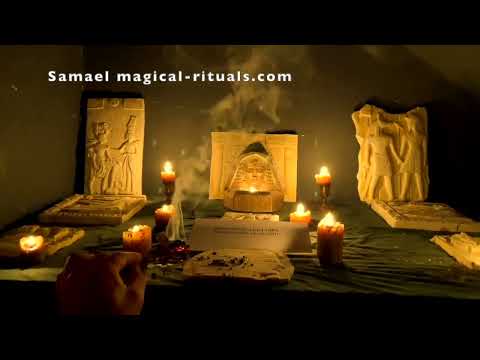
Choose a quiet and comfortable space for meditation. You may wish to create a sacred space by lighting candles, burning incense, or placing spiritual symbols or objects that resonate with you. A peaceful environment enhances the meditation experience and helps you remain focused.
3. Practice Regularly
To deepen your spiritual connection through meditation, practice regularly. Aim for at least 15-20 minutes of meditation each day. As you become more experienced, you can extend the length of your sessions and explore different meditation techniques.
4. Reflect on Your Practice
After each meditation session, take time to reflect on your experience. Journal about any insights, feelings, or experiences that arose during the practice. This reflection helps integrate the lessons learned from meditation into your daily life and spiritual journey.
Conclusion
Meditation is more than just a technique for relaxation; it is a profound spiritual practice that connects us with our deeper selves, the divine, and the universe. By cultivating self-awareness, inner peace, and spiritual insight, meditation offers a pathway to greater understanding, healing, and transformation. Whether practiced as part of a religious tradition or as a personal spiritual journey, meditation is a powerful tool for achieving spiritual awakening and living a life of authenticity and purpose.
Bibliography
- Dalai Lama, and Howard C. Cutler. The Art of Happiness: A Handbook for Living. Riverhead Books, 1998.
- Chödrön, Pema. When Things Fall Apart: Heart Advice for Difficult Times. Shambhala, 2000.
- Tolle, Eckhart. The Power of Now: A Guide to Spiritual Enlightenment. New World Library, 1999.
- Thich Nhat Hanh. The Heart of the Buddha's Teaching: Transforming Suffering into Peace, Joy, and Liberation. Broadway Books, 1998.
- Goleman, Daniel. Emotional Intelligence: Why It Can Matter More Than IQ. Bantam, 1995.


No comments:
Post a Comment