Meditation, a practice that has transcended centuries and cultures, is now widely practiced around the world, both as a spiritual and secular tool for mental well-being. Its origins can be traced back to ancient civilizations, where it was deeply intertwined with spiritual and philosophical beliefs. Over the years, meditation has evolved into a universal practice, offering a wide range of benefits such as stress reduction, improved focus, and emotional healing. This article explores the fascinating history of meditation, tracing its roots from ancient traditions to its modern-day applications.
Ancient Beginnings: Meditation in Early Civilizations
Meditation in Ancient India
The origins of meditation are most often traced to ancient India, where it was a fundamental aspect of religious and spiritual practices. Meditation is believed to have been practiced as early as 1500 BCE, in the form of the Vedic meditation tradition.
Vedic and Hindu Meditation
In the Vedic tradition, meditation was a key component of spiritual practices aimed at achieving self-realization, inner peace, and connection with the divine. The sacred texts of the Vedas, particularly the Upanishads (circa 800-500 BCE), mention meditation as a means of understanding the true nature of reality. Meditation was a way for individuals to detach from the material world and experience the eternal, unchanging truth of the universe.
The most common form of meditation in early Hinduism was known as Dhyana. Dhyana is a form of seated meditation in which the practitioner focuses the mind on a mantra, the breath, or an object of devotion. Over time, Dhyana evolved into more structured practices, such as the Yoga Sutras of Patanjali (circa 200 BCE - 400 CE), which outline a system for meditation to achieve spiritual liberation or moksha.
Buddhist Meditation
Around the 6th century BCE, Siddhartha Gautama, the Buddha, popularized meditation as a central element of spiritual practice. The Buddha emphasized meditation as a way to attain enlightenment or nirvana—freedom from suffering and the cycle of birth, death, and rebirth.
Buddhist meditation practices can be categorized into Samatha (calm abiding) and Vipassana (insight meditation). Samatha focuses on developing concentration and mental tranquility, often through the breath or a mantra. Vipassana, on the other hand, aims at cultivating insight into the nature of existence, impermanence, suffering, and the self.
Buddhism spread across Asia, and meditation practices became central to other Buddhist traditions, such as Zen, Tibetan Buddhism, and Theravada. Each branch has its unique approach to meditation, but all emphasize mindfulness, concentration, and the cultivation of insight.
Meditation in Ancient China and Japan
Daoist Meditation in China
In ancient China, meditation was practiced in Daoism (Taoism), which emerged around the 4th century BCE. Daoist meditation focused on aligning the practitioner with the natural flow of the Dao (Tao), the fundamental principle that underlies the universe. Daoists believed that meditation could help individuals attain harmony with nature, longevity, and even immortality.
Daoist meditation techniques varied widely, from seated and breath-focused practices to more dynamic forms such as Qi Gong and Tai Chi. The goal of these practices was to cultivate the body’s energy (Qi) and promote physical and spiritual well-being. The famous Dao De Jing (Tao Te Ching) by Laozi, a foundational text of Daoism, emphasizes simplicity, tranquility, and non-action, all of which are integral to Daoist meditation.
Zen Meditation in Japan
Zen Buddhism, which originated in China during the Tang dynasty (618–907 CE), was brought to Japan during the 12th century. Zen meditation, known as Zazen, became central to Japanese Buddhist practice. Zazen involves sitting in a specific posture, focusing on the breath, and observing the thoughts without attachment. Zen teaches that enlightenment can be achieved through direct experience, beyond conceptual thinking.
Zen meditation emphasizes simplicity and mindfulness in every aspect of life. The practice of Koans—riddles or paradoxical statements—was also developed in the Zen tradition to help practitioners transcend logical thinking and attain a deeper level of awareness.
Meditation in Ancient Egypt and Greece
Egyptian Meditation and Mysticism
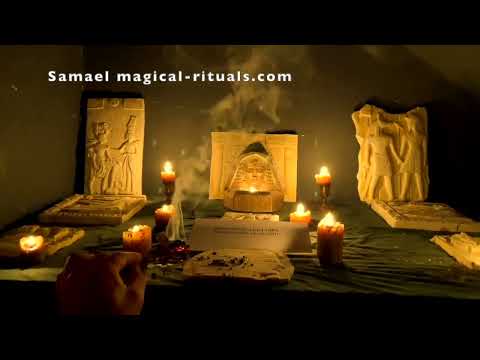
In ancient Egypt, meditation played a role in mystical and religious practices. Although there is limited documentation about the specific methods of meditation used, ancient Egyptian spiritual texts, such as the Pyramid Texts and the Book of the Dead, suggest that meditation was used as a means to access divine wisdom, heal the soul, and communicate with gods and spirits.
Meditative practices likely involved prayer, chanting, and visualization techniques to invoke the presence of gods and align oneself with cosmic forces. The Egyptians also practiced forms of meditation during rituals aimed at achieving immortality or unity with the divine.
Greek Philosophical Meditation
In ancient Greece, philosophers such as Pythagoras, Socrates, and Plato used forms of meditation to explore the nature of existence, ethics, and the soul. Socratic questioning—an early form of introspection—was a method used to challenge assumptions and gain deeper insights into knowledge and virtue. Plato emphasized the importance of contemplation in achieving understanding and wisdom, particularly through the practice of dialectics.
Though not "meditation" in the modern sense, these philosophical practices of reflection and inquiry were akin to meditation, as they sought to attain clarity, insight, and moral enlightenment. In later years, the Stoics and Neoplatonists would also develop meditative techniques focused on self-control, virtue, and alignment with the divine order.
Meditation in the Middle Ages and the Renaissance
Christian Contemplative Prayer
During the Middle Ages, meditation took on a Christian context, particularly through contemplative prayer. Christian mystics such as St. Augustine and St. Teresa of Ávila emphasized meditation as a way to cultivate a direct connection with God. The practice of Lectio Divina—a meditative reading of scripture—became a central form of Christian meditation. Contemplation was seen as a way to deepen one's relationship with God and experience divine presence.
Sufi Meditation
In the Islamic tradition, Sufi mystics practiced a form of meditation known as Dhikr, which involves the repetition of divine names or phrases. This practice aims to bring the practitioner closer to Allah through focused awareness and devotion. Sufi meditation also includes the use of movement, such as the famous spinning dance of the Whirling Dervishes, to induce spiritual ecstasy and connection with the divine.
Meditation in the Modern Era
Meditation's Spread to the West
Meditation began to enter the Western world during the 19th and early 20th centuries, largely through the influence of Eastern philosophers and spiritual leaders. The teachings of Swami Vivekananda, Yogananda, and Thich Nhat Hanh introduced meditation practices to a broader Western audience, where they were initially associated with spirituality and Eastern mysticism.
By the mid-20th century, meditation began to be recognized for its psychological and health benefits. Figures such as Jon Kabat-Zinn developed secular mindfulness practices that gained popularity in Western medicine and psychology as a way to manage stress, reduce anxiety, and improve mental well-being.
The Rise of Mindfulness Meditation
The introduction of Mindfulness-Based Stress Reduction (MBSR) by Jon Kabat-Zinn in the 1970s was a turning point in the modern practice of meditation. MBSR combines mindfulness meditation with elements of cognitive therapy to treat physical and mental health issues. This approach has been extensively researched and proven to help with conditions such as chronic pain, anxiety, and depression.
Today, mindfulness meditation is widely practiced not only in therapeutic settings but also in everyday life. Apps such as Headspace and Calm have made meditation more accessible than ever, offering guided meditation sessions for people of all backgrounds and experience levels.
Conclusion
Meditation has a long and varied history that spans multiple cultures, religions, and philosophical systems. From ancient India to modern Western practices, meditation has evolved in response to the needs of society, always offering a pathway to inner peace, self-awareness, and spiritual insight. Whether used for stress reduction, spiritual growth, or personal transformation, meditation continues to be a powerful tool for individuals seeking greater clarity, balance, and well-being.
Bibliography
- The Yoga Sutras of Patanjali. Translated by Swami Sivananda, Divine Life Society, 2004.
- Kabat-Zinn, Jon. Wherever You Go, There You Are: Mindfulness Meditation in Everyday Life. Hyperion, 1994.
- Hanh, Thich Nhat. The Miracle of Mindfulness: An Introduction to the Practice of Meditation. Beacon Press, 1975.
- Armstrong, Karen. The Buddha. Penguin Books, 2001.
- Goleman, Daniel. The Meditative Mind: The Varieties of Meditative Experience. TarcherPerigee, 1988.
- McMahan, David L. The Making of Buddhist Modernism. Oxford University Press, 2008.
- Walker, Benjamin. The Hindu World. Routledge, 1998.


No comments:
Post a Comment