Wednesday, August 21, 2024

What does the effectiveness of love magic depend on?


What Does the Effectiveness of Love Magic Depend On?

Love magic, an ancient practice found across cultures, seeks to influence emotions, foster relationships, or enhance personal connection. While some view love magic as a mystical art, its effectiveness depends on a variety of factors, both metaphysical and psychological. In this article, we will explore the key elements that contribute to the success of love magic, focusing on intention, energy, ethical considerations, and external influences.

I recommend reading the article https://magical-rituals.com/blog/2024/10/20/spiritual-guide-candle-spells

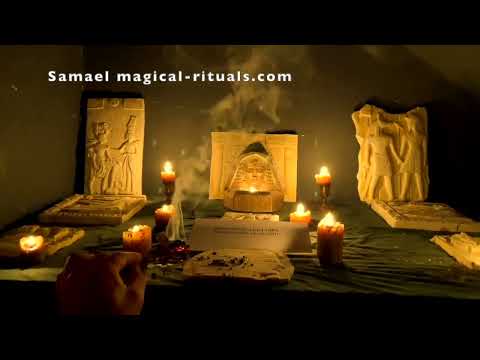
Feel free to watch the video


Introduction to Love Magic and Its Effectiveness

Love magic is not a guaranteed solution to romantic dilemmas, nor does it override natural laws or free will. Instead, its success is deeply tied to the practitioner’s mindset, the energy they channel, and the respect they maintain for the process. Understanding the foundational elements that contribute to its effectiveness is essential for anyone engaging in this mystical art.


Factors Affecting the Effectiveness of Love Magic

1. Clarity and Strength of Intention

What Is Intention in Magic?

Intention is the driving force behind any spell. It is the focused desire or goal that the practitioner wishes to achieve. In love magic, this could range from attracting a new partner to healing an existing relationship.

How Intention Impacts Effectiveness

  • Specificity: Clear and precise intentions yield better results. For example, instead of casting a spell to “find love,” focusing on specific qualities you seek in a partner helps the spell align with your desires.
  • Emotional Commitment: The emotional energy behind the intention strengthens the spell’s power. A sincere and heartfelt desire creates a more potent magical field.

Tips for Setting Intentions

  • Write your goals down before starting the spell.
  • Use visualization techniques to imagine the outcome.
  • Avoid vague or conflicting desires.

2. Personal Energy and Emotional State

The Role of Energy in Love Magic

Practitioners channel personal energy into their spells, making their emotional and physical state crucial to the spell’s success.

Factors That Influence Energy

  • Focus: Distractions during the ritual can dilute the energy, making the spell less effective.
  • Emotional Resonance: Positive emotions like love and hope enhance the spell, while negative feelings like doubt or anger can hinder it.
  • Physical Condition: A well-rested and healthy body supports stronger energy flow.

Practices to Enhance Personal Energy

  • Meditation and mindfulness before casting the spell.
  • Regular grounding exercises to maintain emotional balance.
  • Proper rest and hydration to keep physical energy high.

3. Alignment with Natural Forces

Nature’s Role in Magic

Many traditions of love magic incorporate the cycles of nature, such as lunar phases, planetary alignments, and seasonal changes, to amplify a spell’s power.

Key Natural Influences

  • Lunar Phases:
    • New Moon: Ideal for new beginnings and attracting love.
    • Waxing Moon: Perfect for strengthening and growing relationships.
    • Full Moon: Enhances the intensity of spells.
  • Planetary Alignments: The position of Venus, the planet of love, is particularly significant in timing spells.
  • Seasonal Energies: Spring and summer, associated with fertility and abundance, are considered auspicious for love magic.

Practical Application

  • Consult an astrological or lunar calendar to choose the best time for your spell.
  • Incorporate elements like flowers, herbs, or crystals aligned with your intention.

4. Ethical Considerations and Respect for Free Will

Why Ethics Matter in Love Magic

Casting a love spell that manipulates another person’s emotions without their consent can create negative karmic repercussions. The effectiveness of love magic often aligns with the practitioner’s moral integrity.

Ethical Practices

  • Focus on self-love spells to improve your emotional state rather than controlling someone else.
  • Use general attraction spells that invite compatible partners rather than targeting specific individuals.
  • Always respect the autonomy and free will of others.

Consequences of Unethical Love Magic

  • Emotional strain or guilt on the caster.
  • Possible energetic backlash that disrupts personal peace.
  • Weak or short-lived results.

5. Symbolism and Choice of Ingredients

The Power of Symbolism

Every ingredient in a love spell carries symbolic energy that aligns with the spell’s intention. The effectiveness of love magic increases when these elements are chosen with care.

Examples of Ingredients

  • Crystals: Rose quartz for unconditional love, garnet for passion.
  • Herbs: Basil for fidelity, lavender for harmony.
  • Candles: Pink for love, red for passion, white for purity.

Ritual Application

  • Use ingredients that resonate deeply with your goal.
  • Charge these items with your energy by holding or meditating on them before casting the spell.

6. Belief and Confidence in the Process

The Role of Belief

A strong belief in the spell’s success enhances its effectiveness. Skepticism or doubt can interfere with the energy flow, reducing the spell’s potency.

Building Confidence

  • Practice visualization exercises to reinforce your belief in the desired outcome.
  • Maintain a positive mindset throughout the process.
  • Trust the timing of the universe; sometimes results manifest in unexpected ways.

7. External Influences and Environmental Factors

External Energy

The environment in which the spell is cast can influence its effectiveness. A cluttered or chaotic space may disrupt the focus and energy of the ritual.

Optimizing Your Environment

  • Cleanse the space with sage or salt to remove negative energy.
  • Create a sacred area dedicated to your magical work.
  • Use calming elements like incense, soft lighting, or soothing music.

Community and Support

Some practitioners find that joining a group or working with a mentor enhances their abilities and confidence. Shared energy can amplify a spell’s potency.


Challenges and Limitations of Love Magic

1. Overcoming Emotional Blockages

Unresolved emotional wounds or insecurities can obstruct the energy needed for effective spellcasting.

2. Timing and Patience

Love magic does not always yield immediate results. The practitioner must be patient and remain open to unexpected manifestations.

3. Realistic Expectations

Love magic works best as a supplement to real-world actions, such as open communication and personal growth.


Conclusion: Crafting Effective Love Magic

The effectiveness of love magic depends on a delicate interplay of intention, energy, symbolism, and respect for ethical boundaries. By aligning with natural forces, maintaining focus and belief, and approaching the process with a clear conscience, practitioners can maximize their success while fostering personal growth.


Bibliography

  1. Cunningham, Scott. The Complete Book of Incense, Oils & Brews. Llewellyn Publications, 2003.
  2. Guiley, Rosemary Ellen. The Encyclopedia of Witches, Witchcraft and Wicca. Facts on File, Inc., 2008.
  3. Hutton, Ronald. The Triumph of the Moon: A History of Modern Pagan Witchcraft. Oxford University Press, 1999.
  4. Grimassi, Raven. Italian Witchcraft: The Old Religion of Southern Europe. Llewellyn Publications, 2000.
  5. Harner, Michael. The Way of the Shaman. HarperOne, 1990.
  6. Beyer, Stephan V. Singing to the Plants: A Guide to Mestizo Shamanism in the Upper Amazon. University of New Mexico Press, 2009.
  7. Walker, Barbara G. The Woman's Dictionary of Symbols and Sacred Objects. HarperOne, 1988.

Thursday, August 15, 2024

Mindfulness Meditation: Staying Present in the Moment


Mindfulness meditation is a practice rooted in the ancient teachings of Buddhism, though it has gained widespread popularity in recent decades as a secular tool for stress reduction, emotional regulation, and overall mental well-being. The core of mindfulness meditation lies in cultivating an awareness of the present moment, embracing each experience without judgment. This article will explore the practice of mindfulness meditation, its benefits, techniques, and the ways it helps people stay present in the moment.


Understanding Mindfulness Meditation

What is Mindfulness Meditation?

Mindfulness meditation is the practice of focusing one's attention on the present moment, observing thoughts, sensations, and emotions without attachment or judgment. It involves bringing awareness to the here and now, rather than ruminating on past events or worrying about the future. Through mindfulness, individuals develop the ability to recognize fleeting thoughts and feelings, cultivating an attitude of acceptance and non-reactivity.

The Roots of Mindfulness

Mindfulness meditation stems from Buddhist traditions, particularly Vipassana meditation, which means "clear seeing." The practice is intended to promote insight into the nature of reality, emphasizing impermanence, suffering, and the illusion of the self. Over time, mindfulness has evolved into a secular practice in the West, where it is used primarily for mental health benefits and emotional regulation.

In addition to its Buddhist roots, mindfulness shares similarities with other meditative traditions, such as those found in Hinduism, Daoism, and Stoicism, where cultivating awareness of the present moment has been seen as a path to personal transformation.


The Benefits of Mindfulness Meditation

Mental Health and Emotional Well-being

Mindfulness meditation has been shown to be highly effective in reducing symptoms of stress, anxiety, and depression. By focusing on the present moment, individuals break free from the cycle of overthinking and negative thought patterns that often exacerbate mental health challenges. Studies have consistently shown that mindfulness-based practices can reduce levels of cortisol (the stress hormone) and promote relaxation.

Stress Reduction

Mindfulness meditation encourages relaxation by bringing the mind's attention away from the stressors of daily life. When individuals practice mindfulness, they learn to acknowledge and accept their stress rather than trying to suppress or avoid it. By reducing physiological markers of stress, mindfulness helps the body return to a state of equilibrium, enhancing resilience against future stress.

Improved Emotional Regulation

Mindfulness improves emotional regulation by fostering awareness of emotional responses before they escalate. By observing emotions without judgment, practitioners can develop greater emotional intelligence, which allows for better decision-making and healthier interpersonal relationships. Emotional reactivity diminishes as one learns to detach from automatic emotional responses and engage with them more mindfully.

Cognitive Benefits

Improved Focus and Concentration

Regular mindfulness practice helps improve cognitive function, particularly concentration, attention, and memory. By training the mind to stay focused on a single task or sensation, practitioners enhance their ability to concentrate on important matters without becoming distracted. Mindfulness also encourages a more objective approach to thinking, leading to improved decision-making and problem-solving.

Enhanced Creativity and Innovation

By clearing the mind of distractions, mindfulness meditation fosters creative thinking. As individuals become less bound by habitual thinking patterns, they open themselves up to new perspectives and ideas. Mindfulness meditation has been associated with greater cognitive flexibility, which is essential for innovative thinking and adaptability.


Techniques for Practicing Mindfulness Meditation

1. Focused Attention Meditation

One of the simplest and most common mindfulness meditation techniques is focused attention. This involves concentrating on a single point of focus, such as the breath, a mantra, or a physical sensation. When distractions arise, the practitioner gently redirects their attention back to the object of focus.

Breath Awareness

Breath awareness is a foundational practice in mindfulness meditation. The practitioner observes the natural flow of the breath, paying attention to the sensation of inhaling and exhaling. This technique helps anchor the mind in the present moment, providing a refuge from wandering thoughts.

Body Scan Meditation

A body scan is a mindfulness practice in which the practitioner brings awareness to different parts of the body, often starting from the toes and moving up to the head. By consciously noting any sensations, tension, or discomfort, the individual learns to observe bodily experiences without judgment, fostering relaxation and releasing physical stress.

2. Open Monitoring Meditation

Open monitoring meditation involves observing thoughts, feelings, and sensations as they arise in the mind without focusing on any one object. Rather than concentrating on a single point, the practitioner maintains awareness of all sensory experiences, allowing them to come and go without attachment.

This technique helps individuals become more aware of their habitual thought patterns and mental tendencies. Open monitoring meditation fosters mindfulness by allowing practitioners to gain insight into the impermanent nature of thoughts and emotions.

3. Loving-Kindness Meditation (Metta)

Though slightly different from traditional mindfulness meditation, loving-kindness meditation (Metta) is often practiced as part of a mindfulness training regimen. In Metta, the practitioner cultivates feelings of love and compassion toward themselves and others. This technique involves repeating phrases of goodwill such as, "May I be happy," "May I be healthy," and "May I be at ease."

Metta meditation helps to enhance emotional intelligence and empathy, creating a sense of interconnectedness with others. By practicing loving-kindness, individuals can foster a positive mindset and reduce negative emotional states like anger and resentment.


Challenges in Mindfulness Meditation

Overcoming Distractions

One of the most common challenges in mindfulness meditation is dealing with distractions. The mind is naturally inclined to wander, and thoughts, feelings, and physical sensations often pull our attention away from the present moment. Beginners may feel frustrated by their inability to maintain focus, but it's important to remember that distractions are a natural part of the process. With time and consistent practice, the ability to remain present strengthens.

Dealing with Unpleasant Emotions

Mindfulness meditation encourages practitioners to observe their emotions without judgment. However, this process can sometimes bring up uncomfortable or painful feelings. Rather than avoiding or suppressing these emotions, mindfulness teaches individuals to acknowledge them with compassion. This process of acceptance helps reduce emotional reactivity and fosters emotional healing.

Consistency and Patience

As with any practice, mindfulness meditation requires time and commitment. Results may not be immediate, and some individuals may feel that they are not making progress. The key to success is consistency. With regular practice, the benefits of mindfulness meditation will gradually become more apparent.


Mindfulness Meditation in Modern Life

Mindfulness in Everyday Activities

Mindfulness meditation does not have to be confined to a formal meditation session. One of the greatest strengths of mindfulness is its applicability to daily life. Practitioners can incorporate mindfulness into everyday activities such as eating, walking, or washing dishes by fully engaging their senses and focusing on the present moment. This helps transform mundane activities into opportunities for mindfulness and presence.

Mindfulness in the Workplace

In today's fast-paced world, many individuals struggle with stress and burnout in the workplace. Mindfulness meditation can be particularly beneficial in these environments, promoting focus, reducing stress, and improving interpersonal relationships. Many organizations have begun implementing mindfulness-based programs to support employee well-being and productivity.


Conclusion

Mindfulness meditation is a powerful and accessible practice that offers numerous benefits for the mind, body, and spirit. By cultivating awareness of the present moment, mindfulness helps individuals reduce stress, enhance focus, and regulate their emotions. Whether practiced formally through seated meditation or informally through everyday activities, mindfulness is a tool that can transform how we experience life and navigate its challenges.

With continued research and growing recognition of its benefits, mindfulness meditation is poised to remain an essential practice for improving mental health and well-being in the modern world.


Bibliography

  1. Kabat-Zinn, Jon. Wherever You Go, There You Are: Mindfulness Meditation in Everyday Life. Hyperion, 1994.
  2. Hanh, Thich Nhat. The Miracle of Mindfulness: An Introduction to the Practice of Meditation. Beacon Press, 1975.
  3. Goleman, Daniel. Emotional Intelligence: Why It Can Matter More Than IQ. Bantam, 1995.
  4. Siegel, Daniel J. The Mindful Brain: Reflection and Attunement in the Cultivation of Well-Being. W.W. Norton & Company, 2007.
  5. Goldstein, Joseph. Mindfulness: A Practical Guide to Awakening. Sounds True, 2013.
  6. Shapiro, Shauna L., and Linda E. Carlson. The Art and Science of Mindfulness: Integrating Mindfulness into Psychology and the Helping Professions. American Psychological Association, 2009.
  7. Bishop, Scott R., et al. "Mindfulness: A Proposed Operational Definition." Clinical Psychology: Science and Practice, vol. 11, no. 3, 2004, pp. 230-241.

The Role of Esotericism in Ancient Civilizations: Egypt, Greece, and Babylon


Esotericism, the study and practice of hidden or arcane knowledge, has deep roots in the ancient civilizations of Egypt, Greece, and Babylon. In these cultures, esoteric traditions were not only a part of religious life but also served as a way to understand the cosmos, the self, and the divine. These ancient civilizations developed intricate systems of thought, practice, and spirituality that continue to influence esoteric teachings to this day. This article explores the role of esotericism in ancient Egypt, Greece, and Babylon, focusing on the mystical, philosophical, and religious practices that defined these cultures.


Esotericism in Ancient Egypt

Mystical Teachings and the Divine Order

Ancient Egyptian civilization was rich in esoteric knowledge, particularly in the realms of religion, mysticism, and the afterlife. The Egyptians believed in an intricate system of divine order, symbolized by the concept of Ma'at—the universal truth, balance, and harmony that governed both the cosmos and society.

The Role of the Priesthood

In ancient Egypt, the priesthood held a special place as the custodians of sacred knowledge. The priests were considered intermediaries between the gods and the people, tasked with performing rituals to maintain Ma'at. They had access to esoteric teachings, many of which were preserved in sacred texts that were hidden from the general populace.

The Egyptian priesthood employed esoteric knowledge in various forms, including rituals, sacred texts, and the use of symbolic objects. The most famous of these is the Book of the Dead, a guide for the deceased navigating the afterlife. This text was filled with mysticism, symbols, and rituals that were meant to ensure a successful journey to the afterlife, demonstrating the deep esoteric understanding of death and transformation in Egyptian culture.

Alchemy and Transformation

Alchemy, in its esoteric sense, can also trace its roots to Egypt. The concept of spiritual transformation, symbolized by the idea of turning lead into gold, was tied to the Egyptian practice of purifying the soul. Alchemists believed that through the process of purification, the soul could ascend to a higher state of being, just as metals could be purified to their highest forms.

This idea of transformation extended beyond material substances and into spiritual realms. The Egyptian practice of death and rebirth through the rituals of embalming, mummification, and the journey to the afterlife was seen as a metaphor for personal spiritual transformation. The journey of the soul was depicted through rich imagery and esoteric knowledge, offering a profound understanding of life, death, and rebirth.


Esotericism in Ancient Greece

Philosophy and Mysticism in Ancient Greece

Ancient Greece is often seen as the birthplace of Western philosophy, but it also had a rich esoteric tradition that intertwined with its philosophical and religious systems. Greek esotericism was characterized by the search for hidden knowledge, especially about the nature of the divine, the soul, and the cosmos.

Pythagoras and the Mystical Tradition

Pythagoras, the ancient Greek philosopher and mathematician, is often associated with esoteric thought. He founded the Pythagorean school, which combined mathematical theory with mystical and spiritual teachings. The Pythagoreans believed that numbers and mathematical ratios were the key to understanding the universe. For them, the world was an expression of divine harmony, and through the study of numbers and geometry, one could access deeper cosmic truths.

Pythagoras and his followers practiced strict rules of asceticism, believing that purification of the body and mind was necessary to achieve spiritual enlightenment. They held esoteric rituals, which involved secret teachings and initiations that were only accessible to those who had proven themselves worthy.

Platonic Mysticism and the Allegory of the Cave

Plato, another influential figure in Greek philosophy, introduced esoteric elements into his philosophical system. His teachings emphasized the existence of a higher, transcendent reality—one that could not be perceived by the senses but only by the intellect. Plato’s theory of Forms, for example, posited that the material world was merely a shadow or reflection of a higher, perfect realm of ideal forms.

In his allegory of the cave, Plato described how most people live in ignorance, trapped in the darkness of their senses. Only those who seek true knowledge—symbolized by the journey out of the cave—are able to attain enlightenment. This journey of self-discovery and the attainment of hidden knowledge is a central theme in esotericism.

The Mysteries of Eleusis

One of the most famous esoteric traditions in ancient Greece was the Eleusinian Mysteries, a secret religious cult that worshipped Demeter and Persephone, the goddesses of agriculture and the afterlife. These mysteries, held in the city of Eleusis, were initiated into by only a select few. Participants underwent elaborate rituals and initiations, the content of which was kept secret.

The Eleusinian Mysteries were concerned with the themes of death and rebirth, echoing the esoteric practices of ancient Egypt. Initiates believed that through participation in the rituals, they would gain access to a greater understanding of the afterlife and transcend death itself. The mysteries promised the initiates a form of spiritual immortality, which made them one of the most significant esoteric practices in ancient Greece.


Esotericism in Ancient Babylon

Babylonian Mysticism and Astrology

Babylon was another center of esoteric knowledge, especially in the fields of astrology, divination, and magic. Babylonian priests and sages believed that the movements of the stars and planets had a direct influence on human affairs. This belief in celestial influence became a key feature of Babylonian esotericism and was passed down to later civilizations.

Astrology as a Tool for Understanding the Divine

Astrology in Babylon was not just a means of predicting the future; it was seen as a way to understand the divine order of the cosmos. The Babylonians believed that the gods communicated with humans through celestial events, such as eclipses or planetary alignments. Babylonian astrologers were highly respected and often served as advisors to kings and rulers, using their knowledge of the stars to make decisions about war, politics, and agriculture.

Astrological knowledge was closely guarded and only shared with a select few, which is characteristic of esoteric knowledge. The Babylonians also practiced divination, using various methods such as reading the liver of sacrificed animals, to discern the will of the gods.

The Ishtar Gate and the Esoteric Symbolism of the Gods

The ancient Babylonians also used esoteric symbolism in their architecture and religious practices. The Ishtar Gate, one of the Seven Wonders of the Ancient World, is a prime example of how Babylonian culture embedded mystical and esoteric meanings into everyday life. The gate featured images of animals and gods, such as the lion and the dragon, which were seen as symbols of cosmic forces and divine power.

The gods in Babylonian culture, particularly Ishtar (the goddess of love and war), were associated with both physical and spiritual realms. Their worship often involved complex rituals, which were meant to align the devotee with the cosmic forces represented by these deities. Initiates into the Babylonian mysteries would learn the esoteric meanings behind these gods and symbols, which were believed to hold the keys to understanding the cosmos.


Common Themes Across Egypt, Greece, and Babylon

The Relationship Between the Divine and the Human

Across these ancient civilizations, one common theme in esotericism was the belief that humans could access divine knowledge and transform themselves through spiritual practices. Whether it was through the Egyptian priesthood, the Greek philosophers, or the Babylonian astrologers, the idea was the same: that hidden knowledge and mystical practices allowed individuals to tap into the divine order of the universe.

Death, Rebirth, and Transformation

Another common theme is the concept of death, rebirth, and transformation. For the Egyptians, this was seen in the journey of the soul to the afterlife; for the Greeks, it was represented by the idea of spiritual ascent and the search for higher truth; for the Babylonians, it was encoded in their rituals and the belief in the cyclical nature of life. In all three cultures, esoteric knowledge was seen as the path to transcending the physical world and achieving spiritual immortality.


Conclusion

Esotericism played a significant role in the ancient civilizations of Egypt, Greece, and Babylon. In each culture, it was used as a way to explore deeper, hidden truths about the universe, the gods, and the self. Through mysticism, philosophy, astrology, and secret rituals, the ancient Egyptians, Greeks, and Babylonians sought to understand the divine order and unlock the mysteries of existence. These esoteric practices not only influenced their contemporary societies but also laid the foundations for modern esoteric traditions that continue to thrive today.


Bibliography

  1. Faivre, Antoine. Access to Western Esotericism. SUNY Press, 1994.
  2. Couliano, Ioan P. Eros and Magic in the Renaissance. University of Chicago Press, 1987.
  3. Roth, Ann Macy. The Art of Ancient Egypt. Yale University Press, 1992.
  4. Dillon, John M. The Ancient Greek Mysteries. Oxford University Press, 1996.
  5. Black, Jeremy, and Anthony Green. Gods, Demons, and Symbols of Ancient Mesopotamia. University of Texas Press, 1992.

What are the types of love magic?

  Types of Love Magic: A Comprehensive Exploration Love magic has been a captivating topic in myths, legends, and cultural practices through...