Esoteric Perspectives on the Soul, Spirit, and Reincarnation
Esotericism, with its roots in hidden or arcane knowledge, has long provided alternative views on the nature of the soul, spirit, and the concept of reincarnation. Unlike mainstream religious or philosophical doctrines, esoteric traditions often offer complex, mystical understandings of human existence, focusing on spiritual development, the afterlife, and the cyclical nature of life and death. This article delves into how esoteric schools of thought perceive the soul, spirit, and reincarnation, highlighting their shared and distinct elements across different traditions.
The Soul, Spirit, and the Esoteric View
Understanding the Soul in Esotericism
The concept of the soul in esoteric thought is deeply layered, often considered an immortal and divine spark within the human being. In many esoteric traditions, the soul is seen as the true essence of an individual, distinct from the body and mind. It is the part of us that connects with the divine, the cosmic, and the higher spiritual realms.
In esoteric terms, the soul is not merely a passive vessel; it is seen as a dynamic, evolving entity that undergoes numerous transformations throughout its journey. This journey is often framed as a quest for enlightenment or spiritual awakening, during which the soul sheds layers of ignorance, illusion, and attachment to the material world.
The Threefold Nature of the Human Being
Many esoteric traditions propose a tripartite understanding of human existence, dividing the human being into three essential parts:
- The Body: The physical aspect of the human being, subject to decay and mortality.
- The Spirit: Often regarded as the breath of life or the divine spark that animates the body.
- The Soul: The eternal, indestructible core of the individual, which seeks unity with the divine and ultimately transcends the cycle of life and death.
This division helps to differentiate between the transient, material aspects of human existence and the eternal, spiritual dimensions that define our true nature. The spirit is typically seen as a higher, more transcendent aspect of our being, while the soul is considered the vehicle for spiritual evolution, wisdom, and understanding.
Reincarnation in Esoteric Traditions
The Cycle of Rebirth and Karma
Reincarnation is a central theme in many esoteric systems. Unlike traditional Christian or Abrahamic doctrines, which generally focus on the salvation or damnation of the soul after death, esoteric traditions often describe the soul as undergoing multiple lifetimes in different physical forms, gradually evolving toward spiritual perfection.
The concept of reincarnation in esotericism is typically linked to the idea of karma, a law of cause and effect that governs the soul's journey through different lifetimes. Karma suggests that every action, thought, and emotion has consequences, which are carried forward from one lifetime to the next. Souls are born into various circumstances, not by chance, but due to the karmic imprints left by their previous actions.
In esoteric thought, reincarnation is not seen as a random or meaningless cycle. Rather, it is an opportunity for the soul to evolve, to work through unresolved issues, and to learn important spiritual lessons. Every life, regardless of its material success or failure, is a step in the soul's overall progression toward enlightenment.
The Role of the Higher Self and Guides in Reincarnation
In many esoteric systems, the reincarnation process is overseen by a higher aspect of the individual, often referred to as the Higher Self, or Oversoul. The Higher Self represents the soul’s divine potential and ultimate purpose. It is believed to guide the soul through its various lifetimes, offering spiritual insight and direction.
Additionally, many esoteric traditions emphasize the role of spiritual guides or guardians who help souls navigate the reincarnation process. These guides are often seen as beings of light or highly evolved souls who have transcended the cycle of birth and death and now assist others on their spiritual journeys. They are believed to offer wisdom, protection, and encouragement to souls as they navigate the challenges of earthly existence.
Esoteric Views of the Afterlife
The Transition of the Soul After Death
In esoteric thought, death is not seen as the end of existence, but as a transition from one state of being to another. When a person dies, it is believed that the soul departs from the physical body and enters into a different plane of existence. The nature of this transition varies among esoteric traditions, but common themes include spiritual realms, purification processes, and encounters with spiritual guides or beings.
The Astral Plane: Many esoteric traditions describe the astral plane as the realm the soul enters after death. The astral plane is considered an intermediary space between the physical world and higher spiritual realms. Souls in this plane may undergo a process of reflection, assessment, or purification, depending on their actions during their lifetime.
Purification and Judgment: The concept of purification is often central in esotericism. In traditions such as Theosophy, the soul undergoes a period of self-assessment where it reflects on its actions and experiences. This process helps to remove attachments and unresolved issues, allowing the soul to move forward in its spiritual evolution.
The Role of Reincarnation in the Afterlife: For those in esoteric traditions that embrace reincarnation, the afterlife is not a final destination. Rather, it is seen as a transitional phase in which the soul prepares for its next life, with its experiences and karmic imprints shaping its future journey. In this view, the afterlife is not a place of eternal rest, but a temporary realm of reflection and preparation.
Esoteric Practices for the Soul’s Growth
Meditation and Spiritual Development
Esoteric teachings often place a strong emphasis on personal spiritual development. One of the primary tools for achieving spiritual growth is meditation. In many esoteric systems, meditation is used to quiet the mind, attune the spirit, and connect with higher realms of consciousness. Through regular meditation, individuals are believed to strengthen their connection to their Higher Self, gain insight into their past lives, and accelerate their spiritual evolution.
Meditation is seen as a key practice for achieving self-realization, which is the understanding and experience of one's true nature. This process involves recognizing the soul's connection to the divine and realizing the impermanence of the physical body and ego.
Rituals and Symbolism
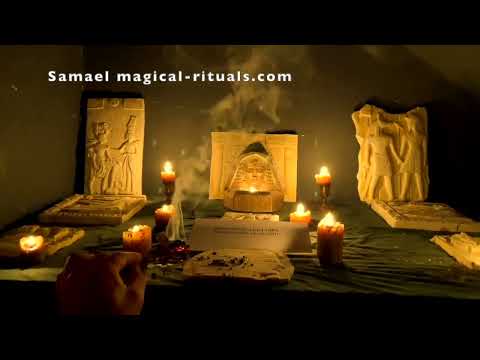
Esoteric traditions often incorporate rituals and symbols that are designed to help the practitioner align with divine forces and facilitate spiritual evolution. These rituals are often highly personal and may involve the use of sacred objects, chants, and invocations that help to awaken the soul’s latent spiritual potential.
For example, in Kabbalah, practitioners may use the sacred tree of life to understand the different aspects of the soul and its connection to the divine. Similarly, in other esoteric traditions, symbols such as the pentagram, the ankh, or the lotus flower are used to represent spiritual truths and guide the soul’s development.
The Relationship Between the Soul, Spirit, and Reincarnation
The Soul as the Spiritual Vehicle
In esoteric systems, the soul is often regarded as the spiritual vehicle through which the spirit can express itself in the physical world. While the spirit is seen as the divine breath of life, the soul is the seat of consciousness and experience. Through the soul, the spirit undergoes the process of reincarnation, experiencing different lifetimes in various forms to learn lessons and achieve spiritual enlightenment.
This view contrasts with more materialistic understandings of the self, where the soul and spirit are often regarded as separate entities. In esotericism, however, the soul and spirit are intrinsically connected, with the soul serving as the bridge between the physical world and the higher spiritual realms.
The Role of the Spirit in Spiritual Evolution
The spirit is seen as the eternal and divine aspect of the self, which remains unchanged throughout reincarnation cycles. In esoteric teachings, the spirit is considered to be a reflection of the divine, and its ultimate purpose is to reunite with the source from which it came. Through reincarnation, the spirit grows and evolves, gradually shedding its attachments to the material world and aligning with higher, divine principles.
Conclusion
Esotericism offers a profound and intricate view of the soul, spirit, and reincarnation. In contrast to traditional religious and philosophical approaches, esoteric systems emphasize the cyclical nature of existence, the continuous evolution of the soul, and the transformative power of spiritual practices. The soul is seen as an eternal, evolving entity, guided by higher spiritual forces and experiences across multiple lifetimes. Through meditation, rituals, and a deep understanding of divine symbols, the soul embarks on a journey of enlightenment, ultimately seeking unity with the divine source.
Bibliography
- Blavatsky, Helena Petrovna. The Secret Doctrine. The Theosophical Publishing House, 1888.
- Steiner, Rudolf. Theosophy: An Introduction to the Spiritual Processes in Human Life and in the Cosmos. Anthroposophic Press, 1986.
- Gershom, Scholem. Kabbalah. Meridian, 1995.
- Jung, Carl G. Man and His Symbols. Aldus Books, 1964.
- Faivre, Antoine. Access to Western Esotericism. State University of New York Press, 1994.


No comments:
Post a Comment