The Role of Magic in Egyptian Romance and Relationships
Magic played a significant role in ancient Egyptian society, interweaving seamlessly with their daily lives, beliefs, and personal relationships. Love and romance, being vital aspects of human experience, were no exception. Egyptians turned to magic to enhance relationships, attract partners, resolve conflicts, and even ensure fidelity. This article explores the multifaceted role of magic in Egyptian romance and relationships, delving into spells, rituals, symbolism, and cultural context.
I invite you to read our offer https://magical-rituals.com/product/egyptian-love-spell/
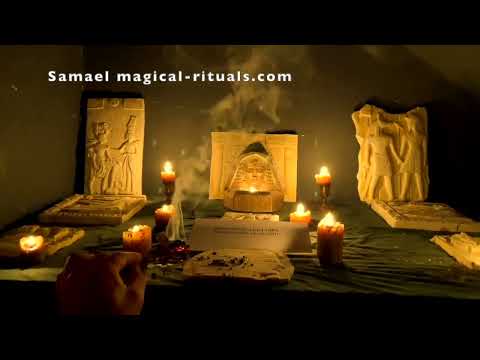
I recommend watching the video
Introduction to Magic in Egyptian Culture
Magic, known as heka in ancient Egypt, was not merely a mystical practice but a fundamental force believed to sustain the universe. Heka was a divine gift from the gods, used to influence natural and supernatural realms. Love magic, as a subset of heka, was employed to address personal desires, emotions, and relationships.
Magic in Egyptian Romantic Traditions
1. The Spiritual Connection Between Love and Magic
In ancient Egyptian cosmology, love and magic were deeply connected through the divine. The goddess Hathor, often referred to as the "Mistress of Love," was associated with beauty, fertility, and affection. Her blessings were sought through rituals to enhance romantic and marital harmony.
Hathor’s Role in Love
- Hathor represented joy, music, and love, making her a central figure in romantic rituals.
- Temples dedicated to Hathor often served as spaces for love magic, where offerings were made to invoke her favor.
Symbolism of Hathor
- The menat necklace, associated with Hathor, symbolized love and fertility.
- Cows, another symbol of Hathor, were sometimes included in love rituals to signify abundance and nurturing.
2. Love Spells and Amulets
Magic in relationships often manifested through spells and protective charms. These tools were believed to attract love, secure affection, or ward off romantic rivals.
Love Spells in Practice
- Written Spells: Love spells were inscribed on papyri or pottery and often buried or burned as part of the ritual.
- Verbal Incantations: Spoken prayers were directed to gods like Hathor or Isis, focusing on desires such as securing a partner’s loyalty or rekindling passion.
- Potions and Ointments: Ingredients such as honey, lotus petals, or wine were mixed to create love potions that symbolized sweetness and attraction.
Love Amulets
Amulets played a key role in Egyptian love magic:
- Djed Pillar: Represented stability in relationships.
- Ankh: Symbolized eternal life and enduring love.
- Heart Scarabs: Often worn to invoke emotional balance and fidelity.
3. Attraction and Courtship Rituals
Egyptian magic was frequently employed during the courtship phase, particularly when seeking to attract a potential partner.
The Role of Scent and Appearance
- Egyptians believed that physical appearance and fragrance could be magically enhanced to attract love. Perfumes infused with essential oils like myrrh or lotus were seen as powerful tools.
- Magical cosmetics were also used, such as kohl eyeliner, which had protective and seductive qualities.
Symbolic Actions
- Offering gifts such as flowers, particularly lotus blossoms, carried deep romantic significance.
- Writing love poems infused with magical invocations was a popular practice during courtship.
Maintaining Harmony in Relationships
1. Spells for Marital Harmony
In marriages, magic was used to maintain peace, resolve conflicts, and ensure fidelity. Many spells were aimed at promoting understanding and mitigating jealousy.
Protective Magic
- Amulets were placed in the household to ward off negative influences.
- Daily rituals, such as burning incense, were performed to cleanse the home’s energy.
Binding Spells
- Spells to “bind” a partner’s love and loyalty were common. They were performed by tying symbolic knots or wrapping objects in linen strips.
2. Fertility and Family-Building
The desire for children was central to many relationships in ancient Egypt, and fertility rituals often included magical practices.
Fertility Amulets
- Frogs and crocodiles, symbols of fertility and childbirth, were worn by couples seeking children.
- Images of the goddess Taweret, protector of childbirth, were used in spells.
Ritual Offerings
- Offerings to deities like Hathor or Isis included milk, honey, and flowers, all associated with fertility.
Magic and Relationship Challenges
1. Overcoming Unrequited Love
When feelings were not reciprocated, Egyptians turned to magic to bridge emotional gaps or move on from rejection.
Attraction Spells
- Incantations invoking the gods of love were performed to make oneself irresistible to a potential partner.
- Symbolic objects, such as mirrors, were used to reflect the practitioner’s desires toward the other person.
2. Ending Toxic Relationships
Magic was also employed to end harmful relationships or protect oneself from abusive partners.
Severance Spells
- Rituals involving the breaking of clay figures or papyri symbolized cutting ties with the other person.
- Protective amulets were worn to shield against emotional harm.
Magical Symbols and Tools in Love Rituals
1. Hieroglyphic Symbolism
Hieroglyphs played an important role in Egyptian love magic. They were not just a writing system but a means of channeling divine power.
Key Hieroglyphs
- The lotus flower symbolized renewal and romantic purity.
- The “ka” symbol represented the spiritual essence of love and connection.
2. Ritual Tools
Specific tools were used to enhance the effectiveness of spells:
- Wands: Made of ivory or wood, wands were used to direct magical energy.
- Bowls: Inscribed bowls were filled with water or wine to serve as focal points for rituals.
Legacy of Egyptian Love Magic
The magical traditions of ancient Egypt continue to inspire modern practices in love magic. Many contemporary rituals borrow from Egyptian symbolism, such as the use of amulets or the invocation of Hathor.
Conclusion
Magic was an integral part of Egyptian romance and relationships, reflecting their belief in the interconnectedness of the spiritual and physical worlds. From courtship rituals to spells for marital harmony, heka was used to address every facet of romantic life. While rooted in ancient culture, these practices offer timeless insights into the human desire for love and connection.
Bibliography
- Pinch, Geraldine. Magic in Ancient Egypt. British Museum Press, 1994.
- Robins, Gay. Women in Ancient Egypt. Harvard University Press, 1993.
- Strudwick, Nigel, and Helen Strudwick. The Encyclopedia of Ancient Egypt. Amber Books, 2006.
- Wilkinson, Richard H. The Complete Gods and Goddesses of Ancient Egypt. Thames & Hudson, 2003.
- Kemp, Barry J. Ancient Egypt: Anatomy of a Civilization. Routledge, 2006.
- Hart, George. Egyptian Myths. University of Texas Press, 1990.
- Quirke, Stephen. The Cult of Ra: Sun Worship in Ancient Egypt. Thames & Hudson, 2001.


No comments:
Post a Comment