Ancient Egyptian Love Spells: Tools and Ingredients You Need to Know
Ancient Egyptians believed that love was a divine and mystical force that could be influenced through magic. Love spells were a popular way to attract a partner, secure loyalty, or deepen emotional connections. These spells were carefully crafted using specific tools, ingredients, and rituals aligned with their cosmological beliefs and the principles of heka (magic). This article delves into the tools and ingredients necessary for performing ancient Egyptian love spells, providing insight into their cultural significance and practical applications.
You can find more information at https://magical-rituals.com/blog/2024/10/21/ancient-egyptian-love-spells-rituals-and-practices/
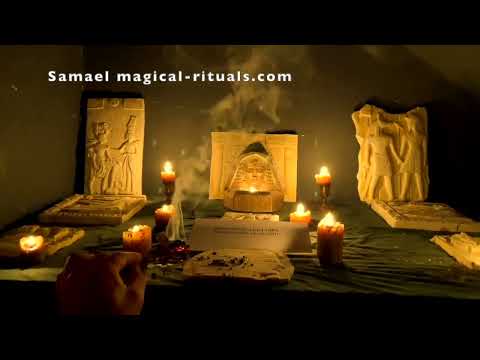
I recommend watching the video
Introduction to Egyptian Love Spells
Love spells in ancient Egypt were not simply about manipulation or coercion. Instead, they reflected a blend of spirituality, emotion, and intention. The tools and ingredients used in these spells were selected for their symbolic meanings, associations with deities, and perceived energetic properties.
Key Tools for Ancient Egyptian Love Spells
1. Amulets: Magical Charms for Love
Amulets played a vital role in love spells, serving as conduits of divine energy and protection.
Common Love Amulets
- Ankh: The symbol of life and eternal love, often used to foster lasting emotional bonds.
- Djed Pillar: Representing stability, it was used to maintain harmonious relationships.
- Heart Scarab: Believed to influence emotions, ensuring fidelity and affection.
- Lotus Flower: Associated with renewal and beauty, this symbol was used to attract love.
How Amulets Were Used
- Worn as jewelry or carried close to the body for continuous influence.
- Placed under a bed or in personal spaces to enhance romantic energy.
2. Ritual Bowls and Figurines
Ritual bowls and figurines were central to love magic, acting as vessels for spells or representations of intentions.
Inscribed Bowls
- Bowls inscribed with love incantations were filled with wine, water, or other symbolic liquids during rituals.
- These bowls were often smashed at the end of the ritual to release the spell's energy.
Clay Figurines
- Figurines represented either the spell’s target or deities invoked for assistance.
- They were manipulated or placed in specific positions to symbolize the desired outcome.
3. Magical Wands and Scepters
Magical wands, often made of ivory or wood, were used to channel energy and direct intention during rituals.
Features of Ritual Wands
- Decorated with protective symbols or depictions of Hathor, the goddess of love.
- Used to draw sacred circles or activate the magical ingredients in a spell.
4. Writing Tools for Spells
The act of writing was imbued with magical power in ancient Egypt. Scribes and practitioners used specific tools to inscribe love spells.
Papyri and Inscriptions
- Love spells were written on papyrus, ostraca (pottery shards), or even linen.
- Hieroglyphs symbolized the desired outcome, often accompanied by names of the practitioner and the target.
Ink and Reed Pens
- Ink made from soot or ochre was used to write spells.
- The process of inscribing the spell was often a ritual in itself, requiring focus and intention.
Essential Ingredients for Love Spells
1. Herbs and Plants
Plants were a cornerstone of Egyptian magic, valued for their symbolic and energetic properties.
Common Herbs and Their Uses
- Lotus: Symbolized rebirth and attraction, often used in perfumes or offerings.
- Basil: Associated with fidelity and harmony, included in rituals for marital bliss.
- Mandrake: Considered an aphrodisiac and used in love potions.
- Frankincense and Myrrh: Burned as incense to invoke divine blessings and create a sacred atmosphere.
Preparation Methods
- Ground into powders for potions.
- Infused in oils or burned during rituals.
- Worn in sachets as talismans.
2. Perfumes and Oils
Scent played a significant role in love magic, enhancing allure and invoking the favor of love deities.
Popular Fragrances
- Kyphi: A sacred incense blend used to cleanse energy and attract affection.
- Rose and Jasmine Oils: Associated with beauty and sensuality.
- Cedarwood: Used to invoke stability and lasting connections.
Applications
- Anointing the body or ritual tools.
- Offering to deities during ceremonies.
- Infusing spells with the properties of the chosen fragrance.
3. Crystals and Minerals
Crystals and minerals were believed to carry potent energies that could influence emotions and relationships.
Key Stones in Love Spells
- Rose Quartz: Symbolized unconditional love and emotional healing.
- Carnelian: Associated with passion and desire.
- Lapis Lazuli: Represented harmony and divine connection.
How Crystals Were Used
- Carved into amulets or worn as jewelry.
- Placed in ritual spaces to amplify energy.
- Charged with intentions through prayer or incantation.
4. Animal Symbols and Offerings
Animals and their representations were frequently included in love spells for their symbolic meanings.
Sacred Animals
- Cats: Linked to Bastet, goddess of protection and love.
- Doves: Symbolized romance and partnership.
- Frogs: Represented fertility and transformation.
Offerings
- Milk, honey, and bread shaped like sacred animals were left on altars to invoke blessings.
5. Food and Drink
Food and drink were often imbued with magical properties to influence love and desire.
Symbolic Ingredients
- Honey: Represented sweetness and affection.
- Wine: Used to invoke passion and celebration.
- Pomegranates: Associated with fertility and abundance.
Love Potions
- These ingredients were combined to create potions meant to be consumed by the practitioner or shared with a partner.
Ritual Practices and Preparation
1. Cleansing and Purification
Before casting a love spell, practitioners engaged in cleansing rituals to remove negative energy.
Methods
- Bathing with sacred oils or herbs.
- Burning incense to purify the ritual space.
- Reciting prayers to deities like Isis or Hathor.
2. Invocation of Deities
Egyptian love magic often called upon the gods and goddesses for assistance.
Key Deities
- Hathor: Goddess of love, beauty, and joy.
- Isis: Known for her devotion and magical prowess.
- Bes: Protector of the home and promoter of fertility.
Offerings
- Flowers, incense, and food were presented to gain divine favor.
3. Timing and Alignment
The timing of a spell was critical, with practitioners aligning rituals to natural and cosmic cycles.
Astrological Influences
- Venus’s position was considered auspicious for love spells.
- Rituals were often conducted under the waxing moon to symbolize growth and attraction.
Conclusion
Ancient Egyptian love spells were deeply rooted in the spiritual and cultural practices of the time. By carefully selecting tools and ingredients imbued with symbolic and energetic significance, practitioners sought to enhance their romantic lives while honoring the divine. These practices, rich in tradition and meaning, continue to inspire modern interpretations of love magic.
Bibliography
- Pinch, Geraldine. Magic in Ancient Egypt. British Museum Press, 1994.
- Wilkinson, Richard H. The Complete Gods and Goddesses of Ancient Egypt. Thames & Hudson, 2003.
- Ritner, Robert. The Mechanics of Ancient Egyptian Magical Practice. University of Chicago Press, 1993.
- Strudwick, Helen, and Nigel Strudwick. The Encyclopedia of Ancient Egypt. Amber Books, 2006.
- Hart, George. Egyptian Myths. University of Texas Press, 1990.
- Andrews, Carol. Amulets of Ancient Egypt. British Museum Press, 1994.
- Lesko, Leonard H. The Ancient Egyptian Book of Two Ways. Yale Egyptological Studies, 1977.


No comments:
Post a Comment